
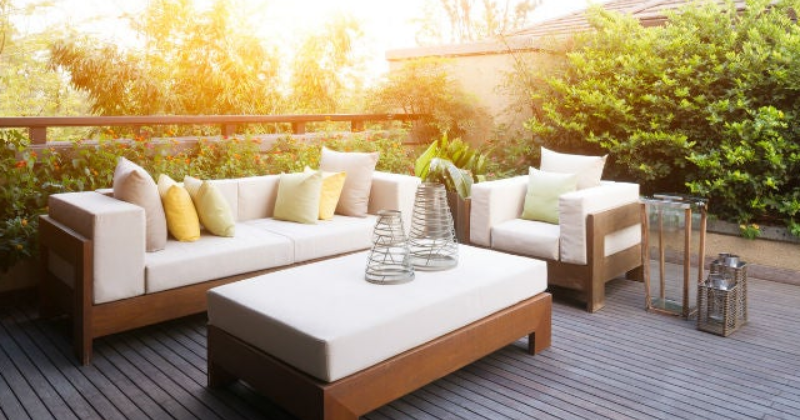
Choosing the right outdoor furniture is a significant investment. It’s a decision that goes beyond aesthetics, touching on durability, maintenance, and long-term value. With a market full of options, from the rich tones of mahogany to the rustic charm of cedar, the choice can be overwhelming. However, one wood has consistently been hailed as the gold standard for outdoor use: Teak.
This guide provides a definitive, head-to-head comparison of the most popular woods used for outdoor furniture. We will delve into the critical factors that determine how a piece of furniture will perform against the elements, helping you understand why Teak’s reputation is so well-deserved and empowering you to make an investment that will last for generations.
The Outdoor Challenge: What Your Furniture Must Endure
Before comparing materials, it’s essential to understand the harsh conditions outdoor furniture must withstand. Unlike its indoor counterparts, outdoor furniture is in a constant battle with:
- Moisture: Rain, humidity, and morning dew can lead to rot, mold, and decay in unprotected wood.
- Sunlight: Intense UV rays break down wood fibers, causing fading, drying, and eventually, cracking and splitting.
- Temperature Fluctuations: The constant expansion and contraction of wood due to changing temperatures can weaken joints and cause warping over time.
- Insects: Wood-boring insects like termites can compromise the structural integrity of many types of wood.
A superior outdoor wood must have inherent defenses against these challenges. This is where the differences between wood species become critically important.
At a Glance: Comparing The Best Wood for Outdoor Furniture
For those who want a quick overview, this table summarizes how the most popular woods stack up against each other based on the most critical factors for outdoor longevity.
| Feature | Teak (Grade-A) | Oak | Cedar | Redwood | Acacia | Mahogany |
| Outdoor Lifespan | 40-75+ years | 10-20 years (with high maintenance) | 15-25 years | 15-30 years | 10-20 years | 15-25 years (with high maintenance) |
| Maintenance Level | Very Low | High | Moderate | Moderate | Moderate-High | High |
| Resistance to Rot & Insects | Excellent | Good (requires treatment) | Very Good | Very Good | Good (requires treatment) | Good (requires treatment) |
| Initial Cost | Premium | Moderate | Moderate | Moderate-High | Low-Moderate | Moderate-High |
As the table illustrates, while other woods offer respectable performance, Grade-A Teak wood stands in a class of its own, particularly in its combination of exceptional lifespan and minimal maintenance requirements. You can read a brief explanation of how teak wood is performed by a reputable source on the wood-database.
Head-to-Head Analysis: Teak vs. The Alternatives
To truly understand the value proposition of each wood, let’s break down how they compare directly against Teak, the industry benchmark.
Teak vs. Oak
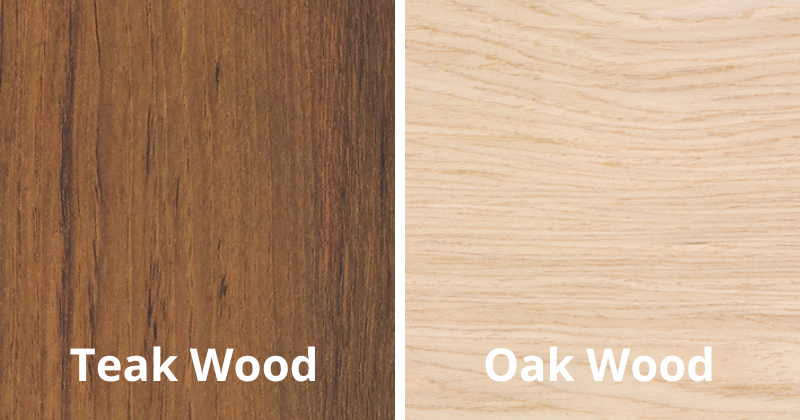
Oak is a strong, dense hardwood known for its prominent grain, giving it a classic, rustic appeal. While durable indoors, its performance outdoors is heavily dependent on maintenance.
- Weather Resistance: Teak possesses a high concentration of natural oils and rubber, creating a natural barrier against moisture and rot. Oak lacks these protective oils, making it far more vulnerable to water damage. Without a robust, regularly reapplied sealant, oak will absorb moisture, leading to swelling, warping, and decay.
- Maintenance: Teak requires almost no maintenance to survive outdoors, naturally weathering to a silvery-gray patina. Oak, on the other hand, demands constant upkeep. It must be treated with a high-quality outdoor finish, and this coating needs to be inspected and reapplied periodically to prevent failure.
Verdict: For outdoor use, Teak is the clear winner due to its inherent, natural weather resistance that does not rely on chemical treatments.
Teak vs. Cedar
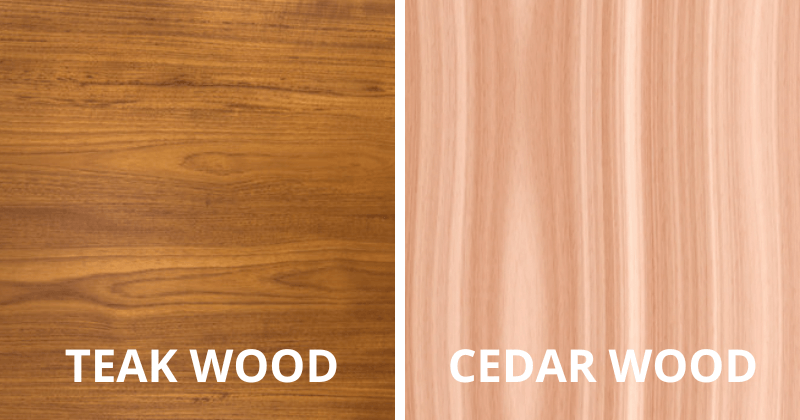
Cedar is a popular choice for its pleasant aroma, reddish hue, and natural resistance to decay and insects. It is a softer, lighter wood than Teak.
- Durability: While Cedar offers decent durability, it cannot match the exceptional density and hardness of Teak. Teak’s tight grain structure makes it highly resistant to the wear and tear of daily use.
- Maintenance: Cedar requires more maintenance to preserve its appearance and integrity. It needs regular cleaning and the application of a sealant or stain to protect it from moisture and prevent its color from fading unevenly. Teak’s natural oils provide this protection internally, making external treatments purely cosmetic.
Verdict: Teak is superior in both durability and low-maintenance longevity, making it a better long-term investment.
Teak vs. Redwood
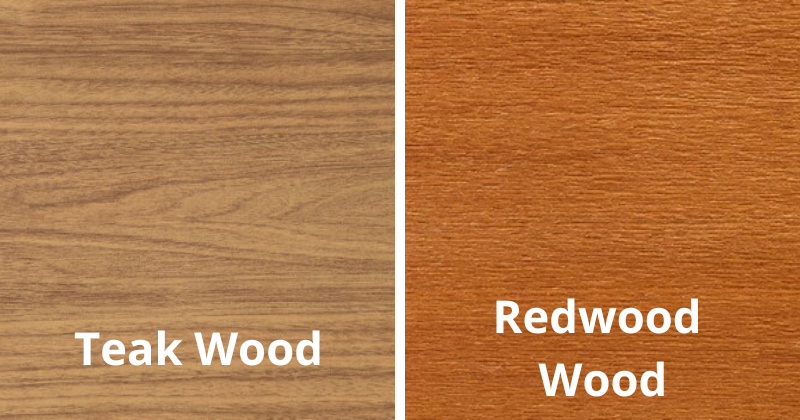
Similar to Cedar, Redwood is known for its striking reddish-brown color and natural tannins that provide resistance to insects and decay.
- Weather Resistance: Teak is regarded as the pinnacle of weather-resistant woods, with its natural oils making it virtually impervious to water damage. Redwood, while respectable, is more susceptible to moisture. Without regular staining or sealing, it can experience fading, warping, and cracking over time.
- Appearance Over Time: Both woods change color, but in different ways. Teak develops a unique and sought-after silver-gray patina that adds to its elegance. Redwood tends to lose its vibrant contrast and fade to a medium brown, requiring yearly maintenance to restore its rich color.
Verdict: Teak’s ability to withstand the elements with minimal intervention gives it a significant edge over Redwood for outdoor applications.
Teak vs. Acacia
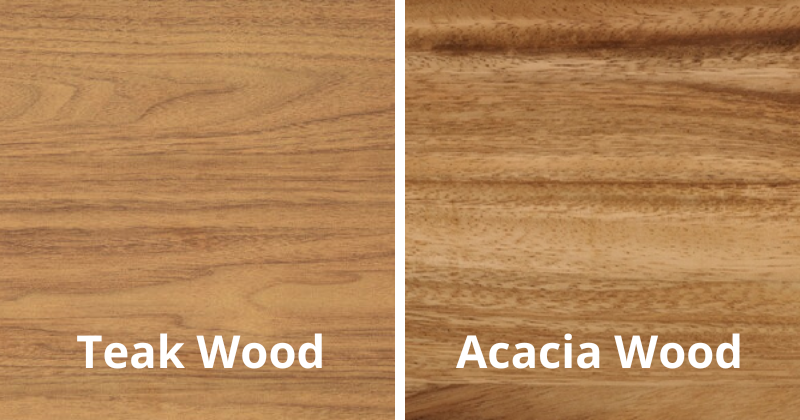
Acacia is a fast-growing hardwood that has gained popularity as a budget-friendly alternative to Teak. It offers good durability for its price point.
- Weather Resistance: Teak’s dense grain and natural oils provide exceptional resistance to rain, humidity, and temperature changes. Acacia, while relatively resilient, is more prone to weathering and may require regular sealing or oiling to prevent moisture-related issues like cracking.
- Maintenance: Teak’s “set it and forget it” nature is one of its key selling points. Acacia necessitates more frequent and attentive maintenance to ensure its longevity and protect it from UV rays and moisture.
Verdict: For those prioritizing exceptional longevity and minimal upkeep, Teak is the far superior choice. Acacia is a viable budget option but comes with a higher maintenance commitment.
Teak vs. Mahogany
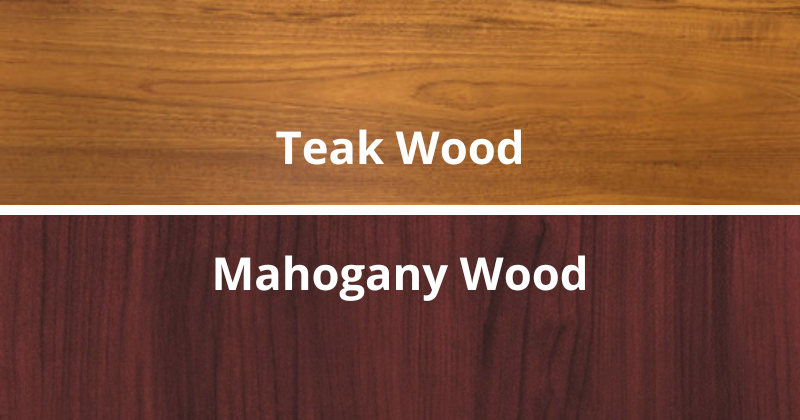
Mahogany is a luxurious hardwood celebrated for its rich, reddish-brown color and straight grain, often used in fine indoor furniture. When used outdoors, its limitations become apparent.
- Durability & Rot Resistance: Teak is considered the “gold standard” for decay resistance due to its natural protective oils. Mahogany is only moderately durable in outdoor conditions and requires protective coatings like varnish to prevent warping, cracking, and insect infestation.
- Maintenance: Mahogany demands significant maintenance to survive outdoors. It needs a robust protective coating that must be regularly cleaned and refinished every few years to shield it from UV rays and moisture. Teak, by contrast, requires no such essential treatments.
Verdict: While beautiful, Mahogany is best suited for indoor or covered outdoor use. For fully exposed outdoor settings, Teak’s natural defenses make it the unequivocally better option.
Teak vs. Pine
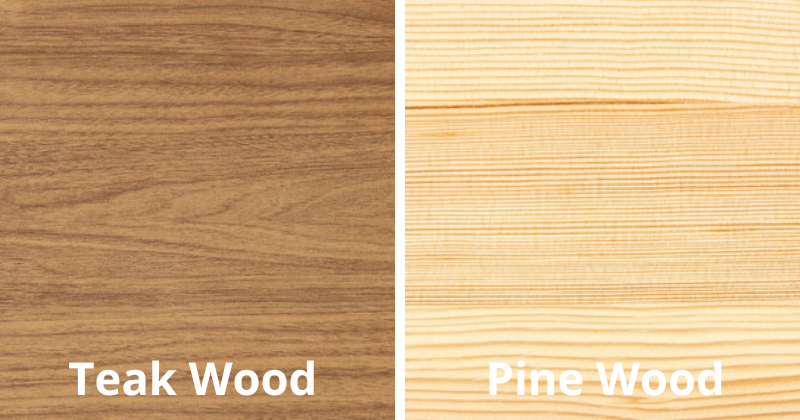
Pine is a widely available and affordable softwood, making it a popular choice for many DIY projects and budget-friendly furniture. However, its suitability for outdoor use is limited without significant treatment.
- Durability & Hardness: As a softwood, pine is highly susceptible to dents, scratches, and wear. Compared to the dense, hard structure of teak, pine offers significantly less resistance to physical damage.
- Weather Resistance: Untreated pine has very poor resistance to the elements. It will quickly absorb moisture, leading to rot, mildew, and decay. To be used outdoors, pine must be pressure-treated with chemicals to resist rot and insects, or meticulously maintained with paint or a heavy-duty sealant. Teak’s resistance is natural and internal.
Verdict: Pine is not a suitable material for high-quality, long-lasting outdoor furniture. Teak is vastly superior in every measure of durability, weather resistance, and low-maintenance performance.
Beyond the Wood Species: The Manufacturer’s Commitment to Quality
Choosing the right type of wood is only the first step. True, lasting quality is determined by factors that go deeper—factors that separate heirloom-quality furniture from pieces that will quickly fail.
- Grade-A Teak: The Heart of the Matter Not all teak is created equal. Grade-A Teak is the highest quality available, cut exclusively from the heartwood of fully mature trees (at least 40 years old). This is the section of the log with the highest concentration of protective natural oils and silica. Lower grades (B and C) are cut from the outer sapwood, lack these oils, and will not endure outdoors. Always insist on Grade-A teak for a true long-term investment.
- The Critical Importance of Kiln-Drying Wood naturally holds moisture. Kiln-drying is a scientific process where timber is placed in a controlled oven to slowly reduce its moisture content to a stable level (around 10-12%). This step is non-negotiable for furniture manufactured in a humid climate like Indonesia and shipped to drier regions in Europe or America. It prevents the wood from dramatically shrinking, warping, or cracking as it adjusts to its new environment.
- Construction: The Soul of Woodworking The world’s best wood is useless if it’s poorly assembled. The “silent signature of quality” lies in the joinery. High-quality construction uses time-honored techniques like the Mortise & Tenon joint, which creates a large contact area that distributes weight and stress for an unshakeable frame. This is vastly superior to simple screws or nails, which create weak points that will inevitably fail.
The Final Verdict: An Investment in Lasting Excellence
While many woods can be used for outdoor furniture, they almost always require a compromise—trading lower initial cost for a future of diligent maintenance, repairs, and eventual replacement.
Teak is the exception.
Its unique combination of natural weather resistance, unparalleled durability, and minimal maintenance requirements places it in a category of its own. The higher initial cost of high-quality, Grade-A teak furniture is not merely for a product; it is an investment in peace of mind and decades of enduring style and function. For those who value long-term performance over short-term savings, Teak remains the undisputed best wood for outdoor furniture.
Buy High-Quality Teak Furniture From Us
We are an Indonesia furniture manufacturer supported by local Jepara City experienced furniture craftsmen. Jepara City is well known for its tradition of woodworking and wood carving for centuries. With such support, we are able to meet almost all demands from our customers who want to buy outdoor furniture or with custom design.
Check our teak outdoor furniture products here!
0 Comments