
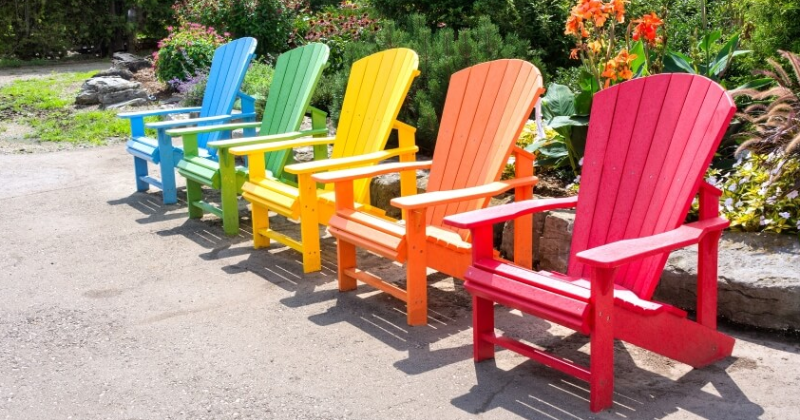
Teak outdoor furniture is prized for its incredible durability and the elegant, silver-grey patina it develops over time. However, a vibrant pop of color can completely transform an outdoor space, giving your patio or garden a fresh, personalized new look.
While the idea of painting teak outdoor furniture might seem unusual, it’s a fantastic way to revitalize a tired-looking set or unify your outdoor décor. But can you—and should you—paint teak?
As a Jepara-based manufacturer, we work with teak’s unique properties daily. The answer is yes, you can paint teak furniture, but it requires a specific process. Teak is an oily wood, which means that without the right preparation, paint will fail to adhere, leading to chipping and peeling.
This professional guide will walk you through the seven essential steps to properly paint your teak outdoor furniture for a flawless, beautiful, and long-lasting finish.
A Crucial Note Before You Begin: Is Painting the Best Choice for Your Furniture?
Painting teak outdoor furniture is a permanent decision. It’s an excellent choice for breathing new life into older, stained, or lower-grade teak furniture.
However, if you own a high-quality, Grade-A teak piece, painting will permanently cover the beautiful natural wood grain and its potential to develop that sought-after silvery patina. For these premium pieces, we often recommend professional restoration or oiling instead.
If you desire a vibrant, colorful look without compromising on the quality and longevity of a new piece, consider our custom-finished furniture. Our factory-applied finishes are designed to bond perfectly with the wood, offering a durability that is difficult to achieve with a DIY project.
The 7 Steps to Perfectly Painting Teak Outdoor Furniture
Follow these steps in order to ensure your project is a success. Rushing the preparation will lead to a poor result.
Step 1: Deep Cleaning
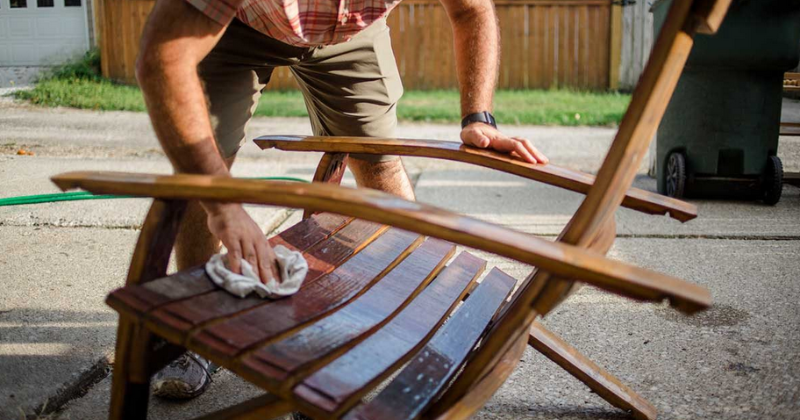
First, you must remove all surface dirt, mildew, and the natural build-up of teak oil.
- Scrub the furniture thoroughly with a mixture of mild soap and water, or a specialized teak cleaner.
- Rinse every surface completely with clean water to remove all residue.
- Allow the furniture to dry completely in the sun, which may take 24-48 hours. The wood must be bone dry before you proceed.
Step 2: Thorough Sanding
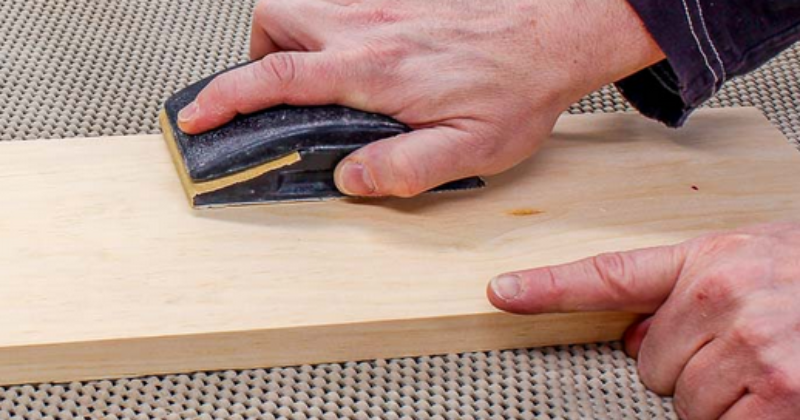
Sanding is non-negotiable. It removes the top layer of wood fibers and oils, creating a “key” for the primer to grip onto.
- Using medium-grit sandpaper (120-grit), sand every surface of the furniture, always moving in the direction of the wood grain.
- Your goal is to create a consistently smooth, slightly raw surface.
- Wipe away all sanding dust with a clean, damp cloth (a tack cloth is even better).
Step 3: Apply a Stain-Blocking Primer
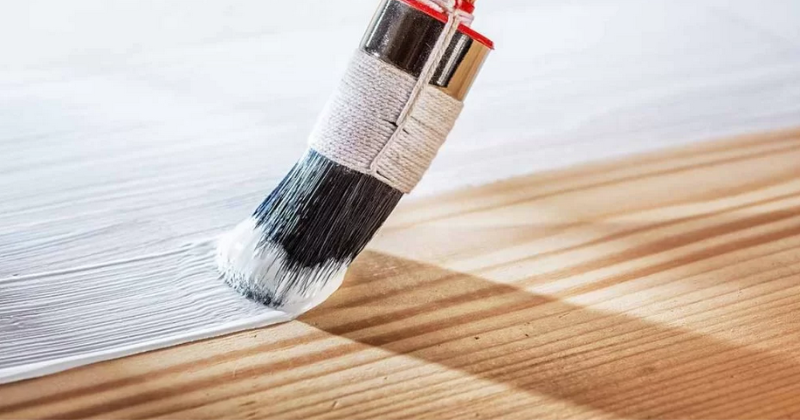
This is the most important step for painting teak. Because of teak’s natural oils, standard primer will not work effectively. The oils will eventually bleed through, causing yellowing and paint failure.
You must use a high-adhesion, stain-blocking primer. Look for products specifically designed for oily woods, slick surfaces, or outdoor use. Shellac-based or oil-based primers are often the best choice.
Apply a thin, even coat of primer to the entire piece using a brush or sprayer. Let the primer dry completely according to the manufacturer’s instructions. A second coat of primer is highly recommended for maximum protection against oil bleed-through.
Step 4: Choose the Right Paint & Color
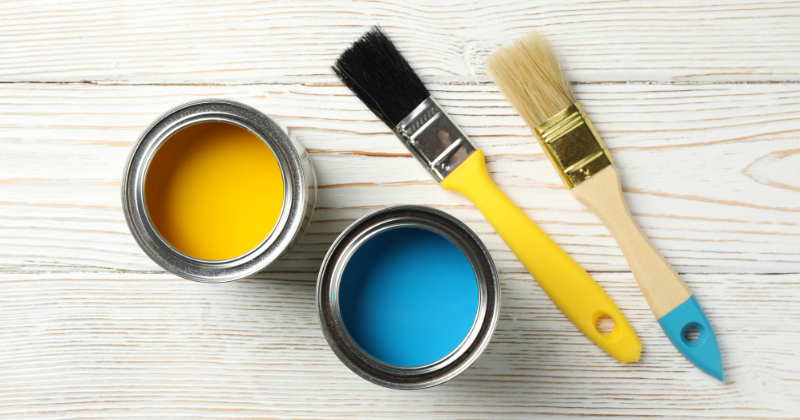
Now for the creative part. Selecting the right type of paint is just as important as the color.
- Paint Type: Use a high-quality, 100% acrylic latex exterior paint. This type of paint is durable, flexible enough to handle the expansion and contraction of wood, and offers excellent resistance to fading and moisture.
- Sheen: The paint’s finish affects both its look and durability. A satin or semi-gloss sheen is ideal for outdoor furniture as it’s easier to clean than a matte finish and more durable than high-gloss.
- Color Choice: Consider your surroundings. Bright colors like navy blue, coral, or emerald green can make a bold statement. Softer tones like sage green or slate grey offer a more subtle, sophisticated look. Always test your color on an inconspicuous area first.
Step 5: Apply the Paint
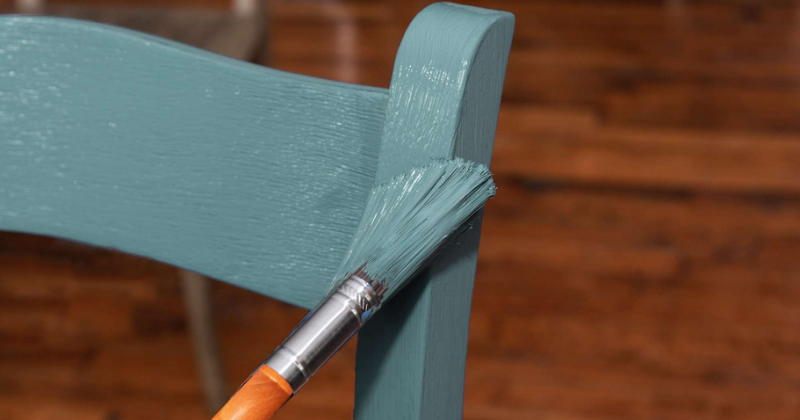
Whether you use a brush or a sprayer depends on your furniture and preference.
- Brush: A high-quality paintbrush gives you excellent control, especially for chairs with spindles or intricate details.
- Sprayer: For large, flat surfaces like tabletops, a paint sprayer can provide a very smooth, factory-like finish with less effort.
Apply your first coat of paint in thin, even strokes. Don’t try to get complete coverage in the first coat; this can lead to drips and an uneven finish.
Step 6: Sand Lightly and Apply a Second Coat
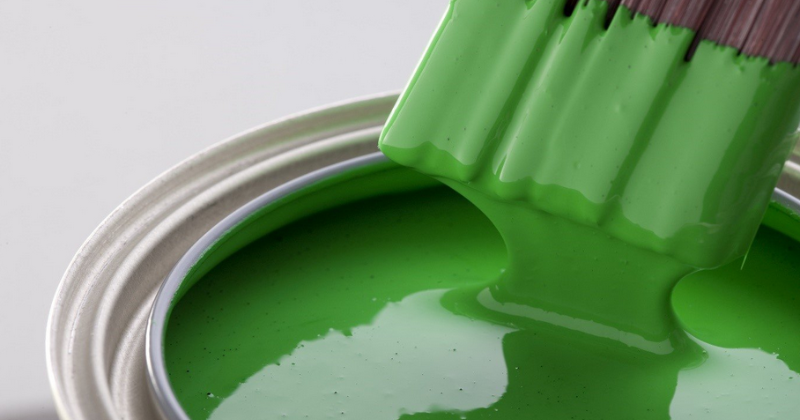
For a truly professional look, patience is key.
- Once the first coat of paint is completely dry (wait at least 24 hours), lightly sand the entire surface with very fine-grit sandpaper (220-grit). This removes any minor imperfections and creates a perfect surface for the next coat.
- Wipe away the dust.
- Apply your second coat of paint. This coat should provide full, rich coverage. A third coat may be necessary for some bright or deep colors.
Step 7: Seal for Maximum Protection
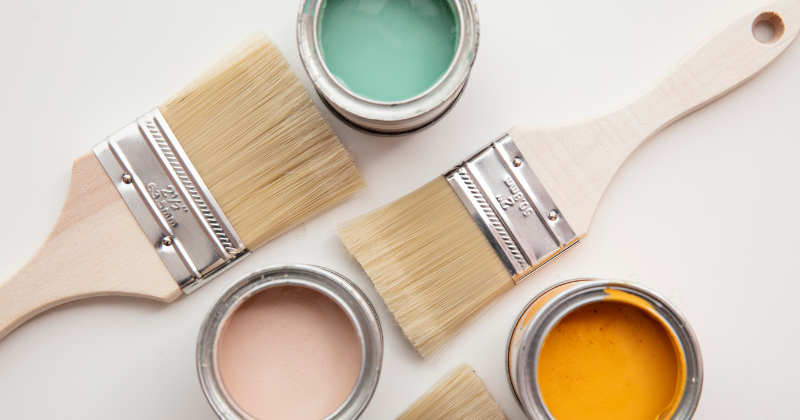
While high-quality exterior paint is durable, adding a final protective layer is a wise investment.
- Apply two to three thin coats of a water-based, clear exterior-grade sealant (like a polyurethane or spar urethane). This will create a protective barrier against scuffs, moisture, and UV rays, significantly extending the life of your paint job.
- Ensure each coat of sealant is completely dry before applying the next.
- Let the furniture cure for several days before exposing it to heavy use or rain.
Create Your Perfect Outdoor Space
Painting your teak furniture is a rewarding project that can completely rejuvenate your outdoor living area. By following these steps—especially the crucial preparation and priming stages—you can achieve a vibrant, durable finish that you’ll enjoy for years.
If this process seems too time-consuming, or if you want to ensure a perfect, long-lasting result on a brand new set, we’re here to help.
Contact Qualiteak today to discuss our custom furniture and professional finishing options.
Hello, I paintedsome teak table and chairs that was nasty. I used exterior paint and I also used a stain that looks like paint made for decks and fences. I didnt sand the after the 1st coat. Should I seal the furniture
I just bought another teak set that I am also going to paint.
Hi Viola, paint sealer is a good move, but the problem with teak is it has high oil content, it can damage the paint pigment color overtime. It might looks good for a few month, but after that, it will start to show a yellowish stain on the paint. thats the teak oil
Hi, thanks for getting back to me..I am getting sealer to seal the freshly painted furniture. Hoping this will so yellow shows through.
Awesome, keep us posted!