
Teak wood is world-renowned for its exceptional durability and beautiful, golden-honey hue. But what happens when your design preferences evolve? Whether you’re aiming to match a new décor, restore a weathered piece, or simply desire a fresh look, changing the color of your teak furniture is an achievable project.
As a Jepara-based furniture manufacturer, we have master craftsmen who work with teak’s unique properties every day. This guide offers our expertise on eight reliable methods to change teak wood color, from subtle enhancements to complete transformations. We’ll explore the best techniques for staining, lightening, and even painting your teak wood, ensuring you can approach your project with confidence.
A Crucial Note from the Craftsmen at Qualiteak
Before you begin, it’s vital to understand the risks involved in altering a factory finish. Teak contains natural oils that can make it difficult for new finishes to adhere properly. An incorrect application can lead to peeling, a blotchy appearance, and can unfortunately devalue a high-quality piece of furniture.
While these DIY methods are effective, the most flawless and long-lasting finishes are always achieved in a professional workshop environment during the manufacturing process.
If you’re seeking a specific color for a new project, we invite you to explore our custom finishing services. We can deliver a professional, export-quality result that DIY methods simply cannot replicate.
8 Reliable Methods to Change Teak Wood Color
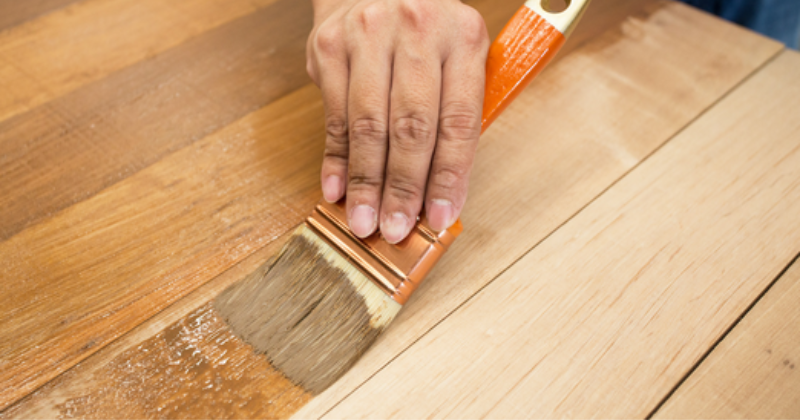
1. Staining: To Deepen and Enrich the Hue
Staining is the most popular method for darkening teak or adding rich new color tones while preserving the visibility of its beautiful grain.
Process:
- Preparation is key: The surface must be perfectly clean. If there is an existing sealant, it must be removed with sanding or a chemical stripper (see method #7). Start with medium-grit sandpaper (120-grit) and finish with a fine-grit (220-grit) for a smooth surface that allows for even absorption.
- Application: Using a clean cloth or brush, apply your chosen wood stain evenly, always moving in the direction of the wood grain.
- Achieve Your Desired Color: Let the stain penetrate for the time recommended by the manufacturer. For a deeper, darker color, you can apply multiple coats, allowing each coat to dry completely before applying the next. Wipe away any excess stain with a clean cloth.
- Protection: Once fully dry, apply a high-quality clear sealant or varnish to protect the new color and provide a durable finish.
2. Oiling: To Enhance and Darken Naturally

Applying teak oil is less about changing the color and more about enhancing and darkening its natural state. This method gives the wood a deep, wet, and lustrous look, amplifying the grain’s richness.
Process:
- Select a high-quality teak oil (not tung oil or other generic oils).
- Ensure the wood is clean and completely dry.
- Apply the oil generously with a brush or cloth, allowing it to soak into the wood. The wood will immediately take on a darker, richer tone.
- After 15-20 minutes, wipe off all excess oil thoroughly. It is crucial not to let oil dry on the surface, as it can become sticky. Repeat every 6-12 months for maintenance.
3. Liming (or Whitewashing): For a Light, Coastal Look
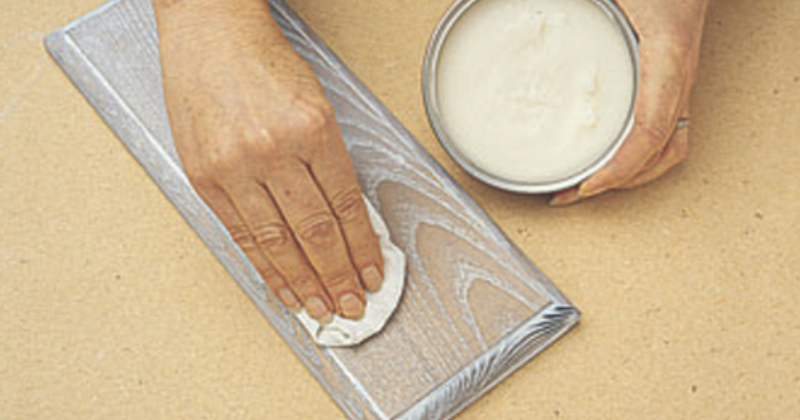
Liming creates a beautiful, soft, whitewashed effect that highlights the texture of the wood grain. It’s perfect for achieving a coastal, Scandinavian, or rustic farmhouse aesthetic.
Process:
- You will need a special liming wax or a thinned-down white latex paint.
- Prepare the surface by ensuring it is clean and has open pores (sanding may be required).
- Apply the lime wax or paint across the grain, working it into the wood’s pores.
- Before it dries, use a clean cloth to wipe the excess off with the grain. The white will remain in the grain’s recesses, creating the signature washed look.
4. Bleaching: To Lighten the Wood Tone
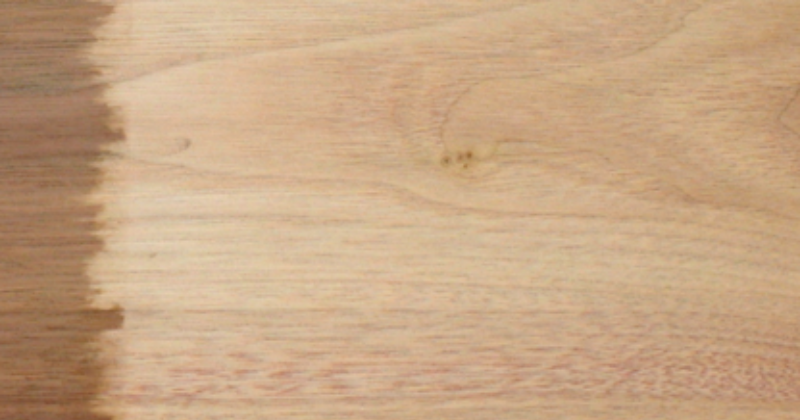
If your goal is to make the natural golden color of teak significantly lighter, wood bleach is the appropriate tool. This is also effective for removing dark water stains.
Process:
- Use a two-part A/B wood bleach solution, which is specifically designed for this purpose.
- Working in a well-ventilated area with protective gear, apply the bleach solution as per the manufacturer’s instructions.
- Once the desired lightness is achieved, you must neutralize the chemical reaction by rinsing the wood with water.
- Allow the wood to dry completely for several days before applying any protective topcoat or sealant.
5. Heat Treatment: For a Dark, Scorched Effect
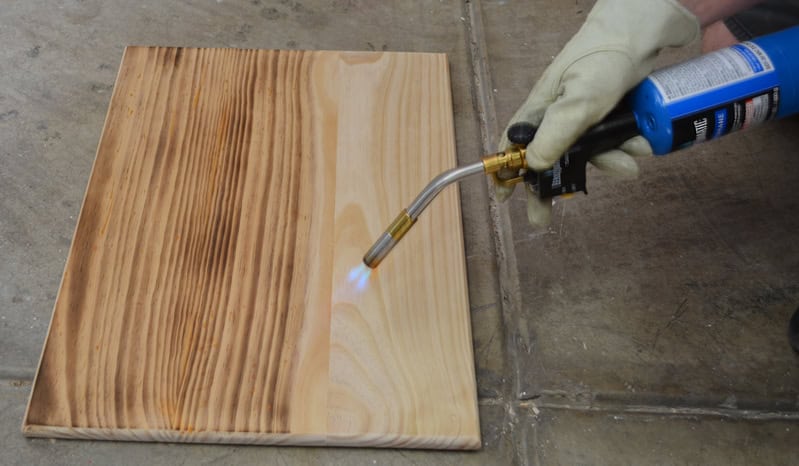
Heat treatment, often using a blowtorch, is an advanced technique that darkens the wood by scorching it. This “Shou Sugi Ban” style method creates a unique, dramatic, and rustic appearance.
Process:
- Caution is paramount: This method carries a fire risk and should be done with extreme care, away from flammable materials.
- Move a blowtorch flame evenly across the wood surface. The proximity and speed of the flame will determine the darkness.
- Once the desired color is achieved, let the wood cool completely. You can then brush off the loose soot and seal the wood with a clear oil or varnish.
- Note: Research shows this can reduce wood density slightly but improves dimensional stability. This is a stylistic choice that permanently alters the wood.
6. Painting: For a Complete Color Transformation
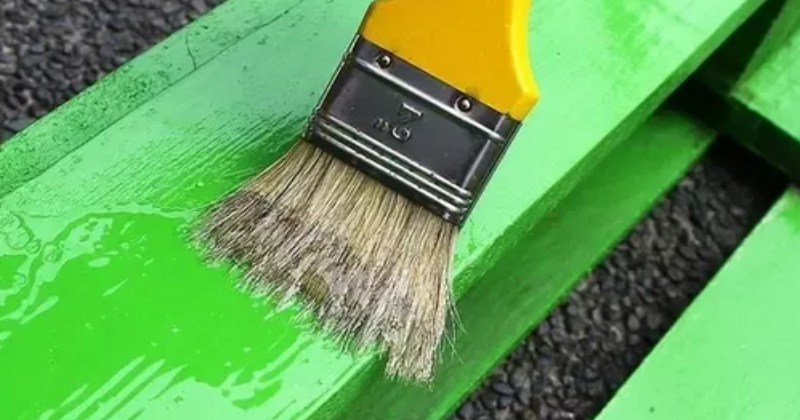
Painting offers limitless color possibilities, completely covering the wood grain for a solid, modern, or vibrant look.
Process:
- Primer is essential: Teak’s natural oils will bleed through most paints. You must use a high-adhesion, stain-blocking primer designed for hardwoods or slick surfaces.
- After cleaning and light sanding, apply one to two coats of primer.
- Once the primer is fully cured, apply your chosen exterior or interior paint color. Two or more coats will likely be needed for even coverage.
- For maximum durability, especially on outdoor furniture, finish with a protective clear topcoat.
7. Sanding: The Foundation for Change
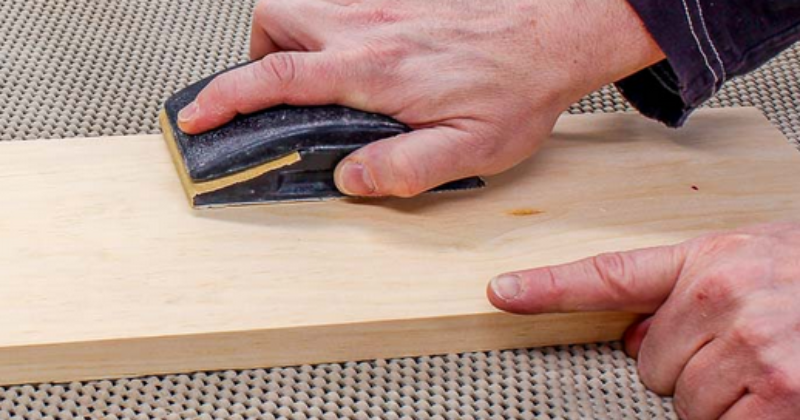
Sanding is not a coloring method on its own, but it is the most crucial preparatory step for almost every other method. By sanding, you remove the old, weathered surface layer, smooth out imperfections, and open up the wood’s pores to accept a new finish evenly. Proper sanding is the difference between a professional result and a blotchy, amateurish one.
8. Chemical Stripping: To Remove Old Finishes
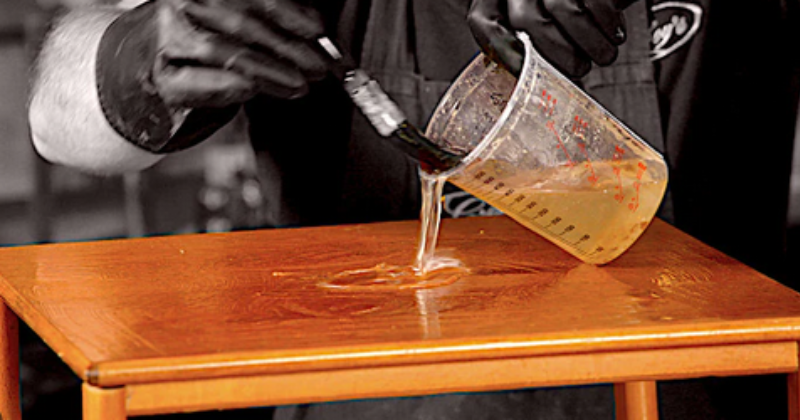
If your furniture has multiple layers of old paint, varnish, or a stubborn existing sealant, sanding alone may not be enough. A chemical stripper is a powerful agent that dissolves old finishes, allowing them to be scraped away. Always use chemical strippers in a well-ventilated area with protective gear, and follow the product’s instructions for application, removal, and neutralization.
Is Your Furniture Worth the Effort of Refinishing?
Refinishing is a rewarding project for a structurally sound, high-quality piece of furniture. However, if your furniture suffers from deep cracks, severely loose joints, or is made from a lower grade of teak, the significant time and expense of a refinishing project may not be a wise investment.
Consider investing in a new piece if:
- The cost of professional refinishing is close to the price of a new item.
- You desire the unmatched durability and beauty of a brand new, Grade-A teak finish.
- You want a different style or size for your outdoor space.
Explore our collections of professionally-finished outdoor furniture that is built to last for decades:
Your Vision, Our Craftsmanship
Changing the color of teak wood offers a fantastic way to personalize your space. Whether you choose the rich depth of a new stain, the rustic charm of a limed finish, or a bold coat of paint, these methods give you creative control.
However, if your vision calls for a flawless, durable, and customized finish from the start, we are here to help.
As a dedicated Indonesian furniture manufacturer, we specialize in creating custom pieces to your exact specifications, including a wide range of colors and finishes. Let our Jepara craftsmen build your perfect furniture.
If you have a moment for advice, please, on an inexpensive teak shower bench that’s been sanded to natural, for use in a foyer … what would it look like after a while with a bright blue stain? Oil/water based? regular oiling? Thank you, kindly. Lillian
Hi Lillian, if you use blue stain, i believe it will be damaged by natural teak oil content that come from the wood itself. i strongly suggest to use oil for wood finish, regula oiling when necessary, maybe once a season