
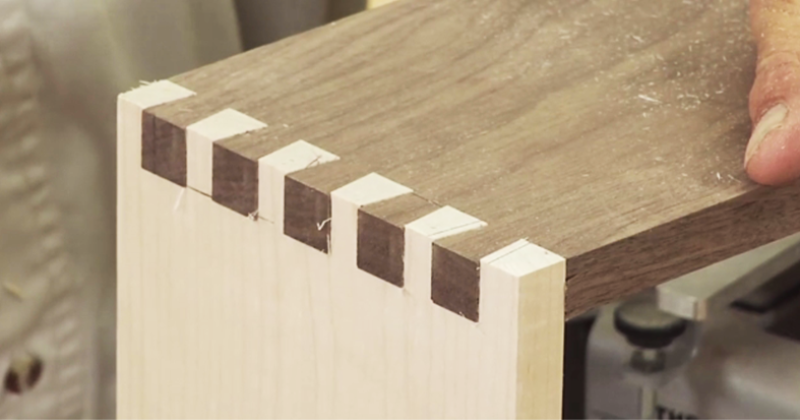
Before a piece of furniture is finished with stains or oils, before it is sanded smooth, its true character is defined by something hidden: its joinery. The methods used to join pieces of wood together are the soul of woodworking. They are the silent signature of quality that separates a piece built to be disposable from an heirloom built to last for generations.
As furniture manufacturers from Jepara, a city with a centuries-old woodworking heritage, we believe that understanding wood joinery is understanding the heart of craftsmanship. This guide explains 13 fundamental types of wood joints, not just as technical definitions, but as the building blocks of strength, beauty, and durability that we use every day.
Why Joinery is the Signature of Quality Furniture
Wood joinery is the art of creating strong, stable connections between two or more pieces of wood. A simple nail or screw creates a weak point, but a well-made joint distributes stress and moves with the wood’s natural expansion and contraction, ensuring the furniture remains solid for decades. When you see a piece of furniture with expertly crafted joints, you are looking at a promise of longevity.
Fundamental Woodworking Joints
We’ll group these types of wood joints into three main categories: Foundational Frame Joints, Essential Case & Box Joints, and Advanced Decorative Joints.
Category 1: Foundational Frame Joints
These are the workhorse joints responsible for the strength and stability of furniture like tables and chairs.
1. Mortise and Tenon Joint: This types of wood joints is arguably the most important joint in fine furniture making. A rectangular hole (the mortise) is cut into one piece of wood, and a corresponding tongue (the tenon) is cut on the end of another. The tenon fits perfectly into the mortise, creating an incredibly strong mechanical lock.
- Best For: Joining table legs to aprons, chair frames, and any right-angle connection that must endure significant weight and stress.
- Qualiteak Insight: The Mortise and Tenon is the cornerstone of our furniture construction. Its exceptional strength is non-negotiable for building chairs and tables that are destined for decades of use in homes and hospitality settings worldwide.
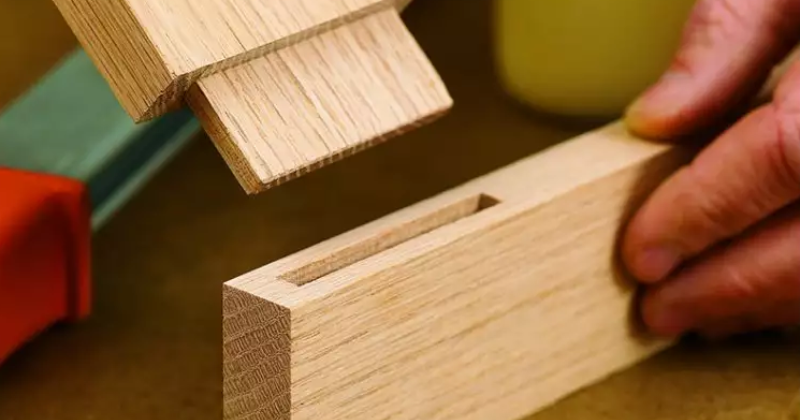
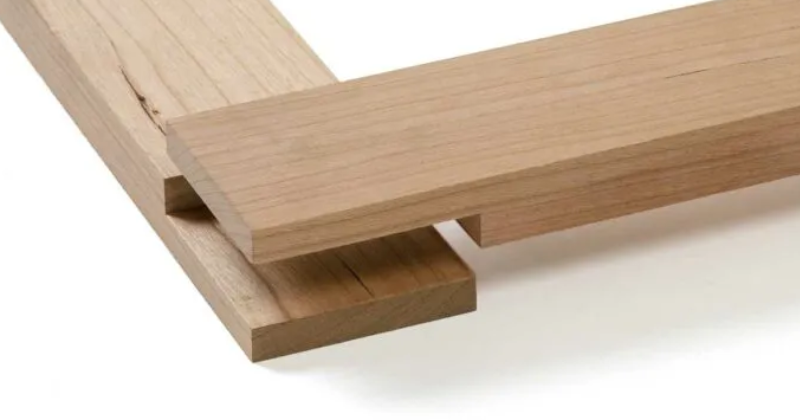
2. Half-Lap Joint: A strong and stable types of wood joints where half the thickness of each workpiece is removed. When overlapped, the two pieces interlock to sit perfectly flush.
- Best For: Creating sturdy frames for doors and tables where a smooth, flat profile is desired.
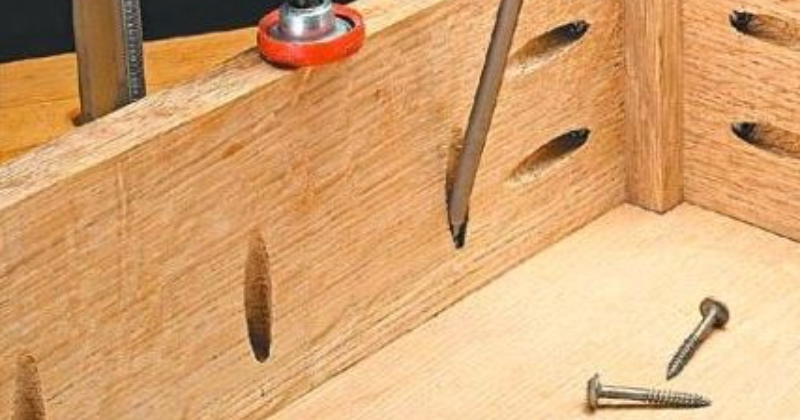
3. Pocket-Hole Joint: A modern and efficient joint where a hole is drilled at an angle into one piece, allowing it to be fastened to another with a specialized screw.
- Best For: Internal frames, face frames for cabinetry, and situations where speed and strength are needed but the joint will be hidden from view.
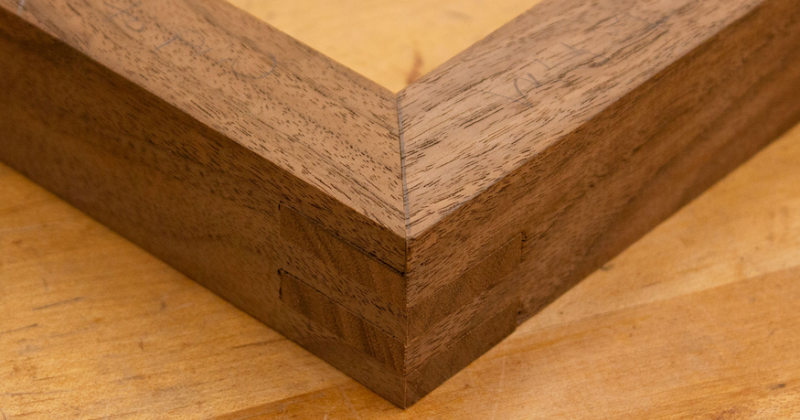
4. Mitered Butt Joint: An aesthetic types of wood joints where the ends of two pieces are cut at a 45-degree angle to form a clean 90-degree corner.
- Best For: Picture frames and decorative trim. While visually clean, it is inherently weak and requires reinforcement with splines or dowels for use in furniture.
Category 2: Essential Case & Box Joints
These joints are fundamental for constructing the body of cabinets, bookcases, and other case goods.
5. Dado Joint: A three-sided channel cut across the grain of one piece of wood, into which another piece fits snugly.
- Best For: Supporting shelves in bookcases and cabinets. It provides excellent resistance against downward and lateral forces.
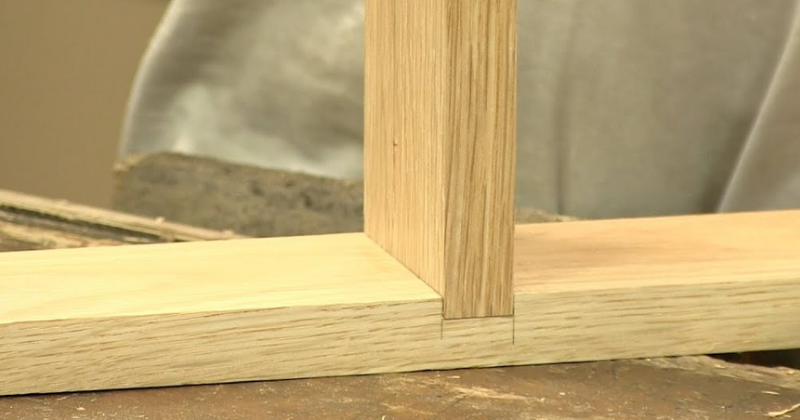
6. Rabbet Joint: A simpler version of the dado, this is an L-shaped groove cut along the edge or end of a piece of wood.
- Best For: Insetting back panels on cabinets and constructing simple, strong drawer boxes.
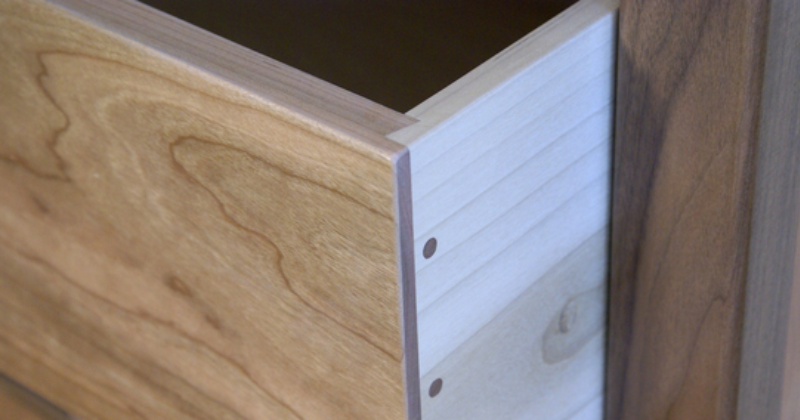
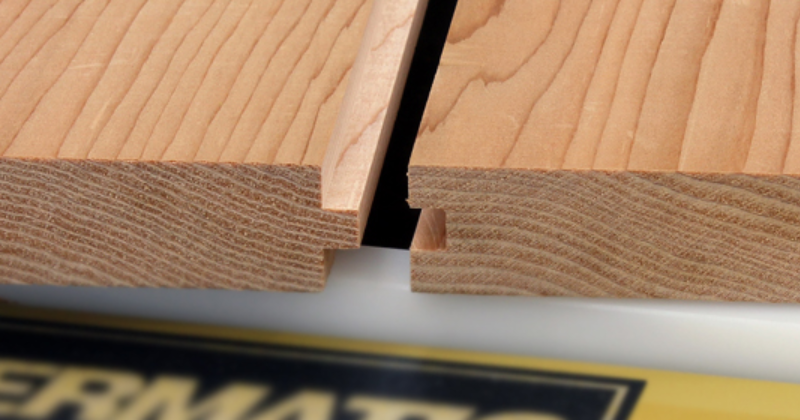
7. Tongue and Groove Joint: An effective types of wood joints for creating wide panels from narrower boards. A groove is cut along the edge of one board, and a corresponding tongue is milled onto the other, allowing them to interlock securely.
- Best For: Tabletops, flooring, and paneling where a flat, stable surface is required.
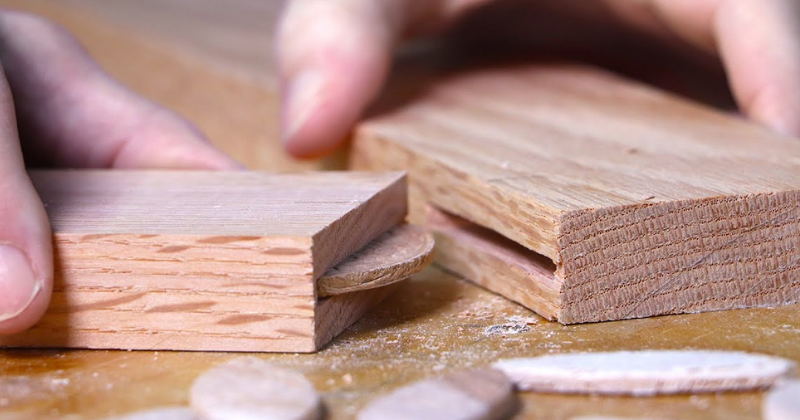
8. Biscuit Joint: Another modern method for joining panels, where small, oval-shaped “biscuits” of compressed wood are glued into corresponding slots to align and reinforce the joint.
- Best For: Edge-to-edge joining of boards for tabletops and cabinet construction.
Category 3: Advanced Decorative Joints
These types of wood joints are celebrated not only for their strength but also for their visual beauty, often left exposed as a mark of high-end craftsmanship.
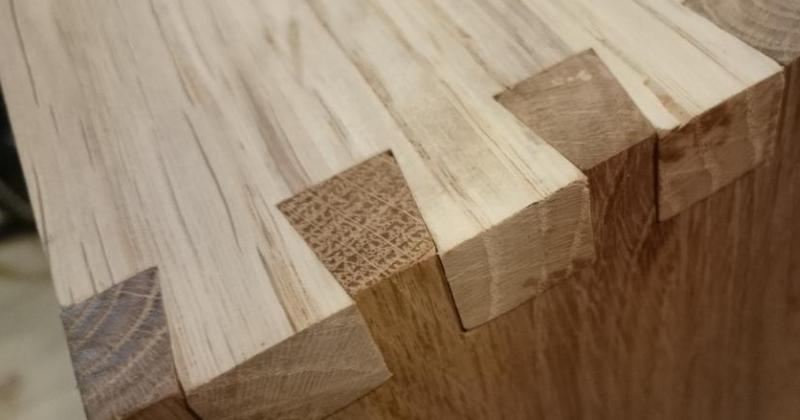
9. Through Dovetail Joint: One of the most recognizable and revered joints in woodworking. A series of interlocking, trapezoidal “pins” and “tails” create a joint that is incredibly resistant to being pulled apart, making it both beautiful and immensely strong.
- Best For: High-quality drawer construction, chests, and fine cabinetry where the joint’s beauty can be displayed on both sides.
- Qualiteak Insight: The use of dovetail joints is a hallmark of superior craftsmanship. When you find them in a piece of furniture, you know the maker has prioritized quality. We use them in the construction of our premium drawers.
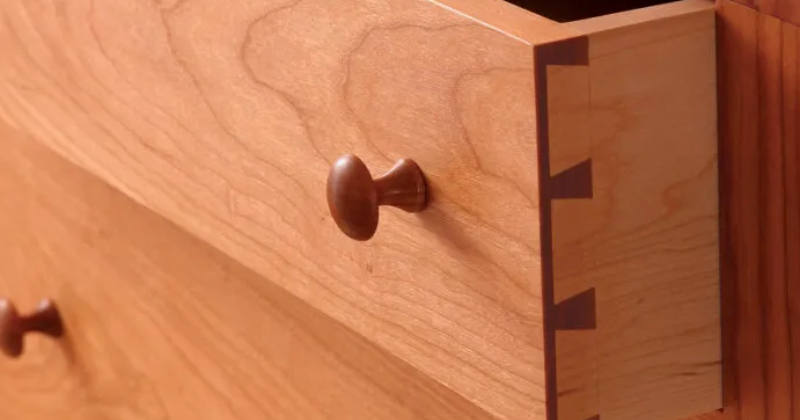
10. Half-Blind Dovetail Joint: An elegant variation where the joint is only visible from one side. This provides the strength of a dovetail while offering a clean, seamless appearance on the front of a drawer or cabinet.
- Best For: The front corners of high-end drawers, where a clean face is desired.
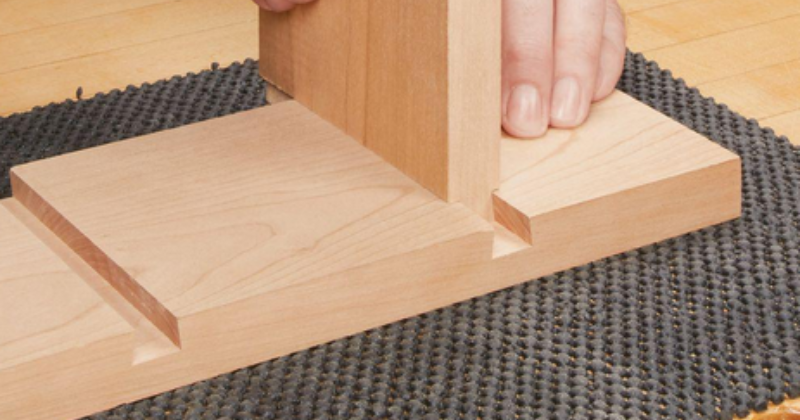
11. Sliding Dovetail Joint: A strong, interlocking types of wood joints where a tailed pin slides into a corresponding channel. It’s excellent for joining pieces at a right angle and is very resistant to being pulled apart.
- Best For: Attaching legs to tabletops, joining cabinet sides to shelves, and situations requiring strong, concealed support.
12. Box Joint (Finger Joint): A simpler cousin to the dovetail, this types of wood joints consists of interlocking rectangular “fingers.” It offers a large gluing surface and good strength with a distinct, decorative look.
- Best For: Corners of utility boxes, chests, and small cabinets.
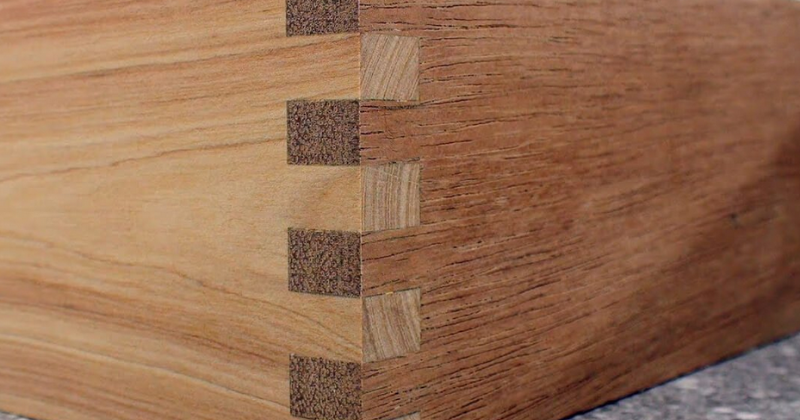
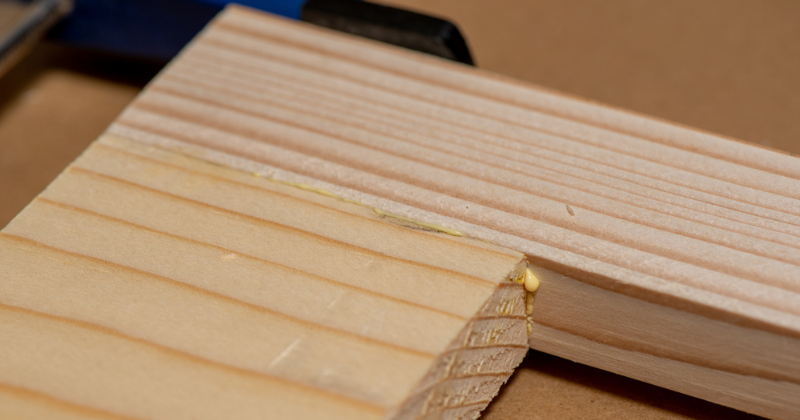
13. Basic Butt Joint: The most fundamental types of wood joints , where two pieces are simply butted together and fastened with screws or nails.
- Best For: Rough construction or applications where strength is not a primary concern. It is not used in high-quality furniture framing.
Inspecting the joinery is a key step we cover in our ultimate guide to buying teak outdoor furniture.
The Qualiteak Standard: A Commitment to Lasting Craftsmanship
Understanding these 13 types of wood joints is one thing; knowing which ones to use is the art of a true craftsman.
At Qualiteak, our manufacturing philosophy is clear: we use the best joint for the job, prioritizing strength and longevity above all else. For the critical structural elements of our furniture, we rely on time-honored techniques:
- Mortise and Tenon joints form the unshakeable backbone of our tables and chairs.
- Dovetail joints ensure the lasting quality and smooth function of our drawers.
- Tongue and Groove and Dado joints allow us to create stable, seamless surfaces and cases.
This commitment to superior joinery is why our furniture is trusted by hospitality projects and homeowners worldwide. It’s a difference you might not see, but you will certainly feel in the strength and stability of every piece, year after year.
Inspect our craftsmanship for yourself. Explore our collections or contact us to discuss a custom project built with an unwavering commitment to quality.
0 Comments